
Our first winter in a Victorian terrace taught me that an old house is less a building than a colander. The heating was on, the radiators were hot, and yet there was a cold breeze round my ankles in the sitting room, a whistle from the letterbox and a sash window that rattled every time a bus went past. We could not afford insulation or new windows that year, so I spent a few weekends hunting down draughts instead. It made a far bigger difference than I expected.
First, find your draughts
Before you buy anything, spend a windy afternoon walking round the house. Warmth is not just about how much heat you make. It is about how much you manage to keep, and you cannot keep it until you know where it is escaping.
The back of your hand is surprisingly sensitive, especially if it is slightly damp. Move it slowly round window frames, door edges, skirting boards, floorboard gaps, loft hatches, letterboxes and keyholes. A strip of tissue paper or a ribbon held near a gap works well too. Make a list, room by room, and you will quickly see a pattern; in most older homes the worst offenders are front doors, sash windows and bare suspended timber floors.
Warmth is not just about how much heat you make. It is about how much you manage to keep.
Doors: the obvious culprits
The front door of a terraced house often opens straight onto the street, and every gap around it pulls cold air through the house.
- Letterbox brush or flap. An internal letterbox draught excluder with brushes is cheap, quick to fit and immediately noticeable. Check it still lets the post through without a fight.
- Keyhole cover. A small swinging escutcheon cover over the keyhole is a tiny job and stops a surprisingly sharp whistle.
- Self-adhesive or screw-on seals around the frame close the gap between door and frame. Choose the right type for the size of gap; too thick and the door will not shut properly.
- A brush strip along the bottom of the door, and a classic fabric draught excluder (the long sausage, dog-shaped or otherwise) for internal doors to rooms you are trying to keep warm.
- A door curtain. A heavy, lined curtain on a rising rod or a simple pole across the inside of the front door is an old-fashioned solution that works beautifully, and looks rather handsome too.
Windows: sashes, single glazing and the power of curtains
Original sash windows are a joy to look at, but the gaps around the sashes can be generous. Brush-pile draught strips designed for sashes can be fitted by a confident DIYer or a specialist, and they let the windows keep sliding. If you rent, ask your landlord in writing before fitting anything to the frames.
For single glazing, a clear secondary glazing film kit, stretched across the frame and tightened with a hairdryer, can take the edge off the coldest windows. It is temporary and usually removable, though the tape may lift paint on old frames, so test a corner first.
Then there are curtains, which are the quiet heroes of the British winter. Thermal or interlined curtains, hung so they overlap the window generously at the sides and ideally reach the floor or sill, trap a layer of still air against the glass. Close them at dusk, not when you go to bed. If you have blinds, use both. A pelmet or a curtain pole fixed close to the ceiling helps stop warm air sinking down behind the curtains and cooling on the glass.
One caveat: drawing heavy curtains tightly over cold glass all night can increase condensation on the window. Wipe the glass in the morning and open the curtains during the day to let it dry. Our guide to fighting damp and condensation explains more.
Floors, skirting and that cold-ankle feeling
Victorian and Edwardian houses often have suspended timber floors with a ventilated void beneath, and stripped floorboards, lovely as they look, let cold air rise straight through the gaps.
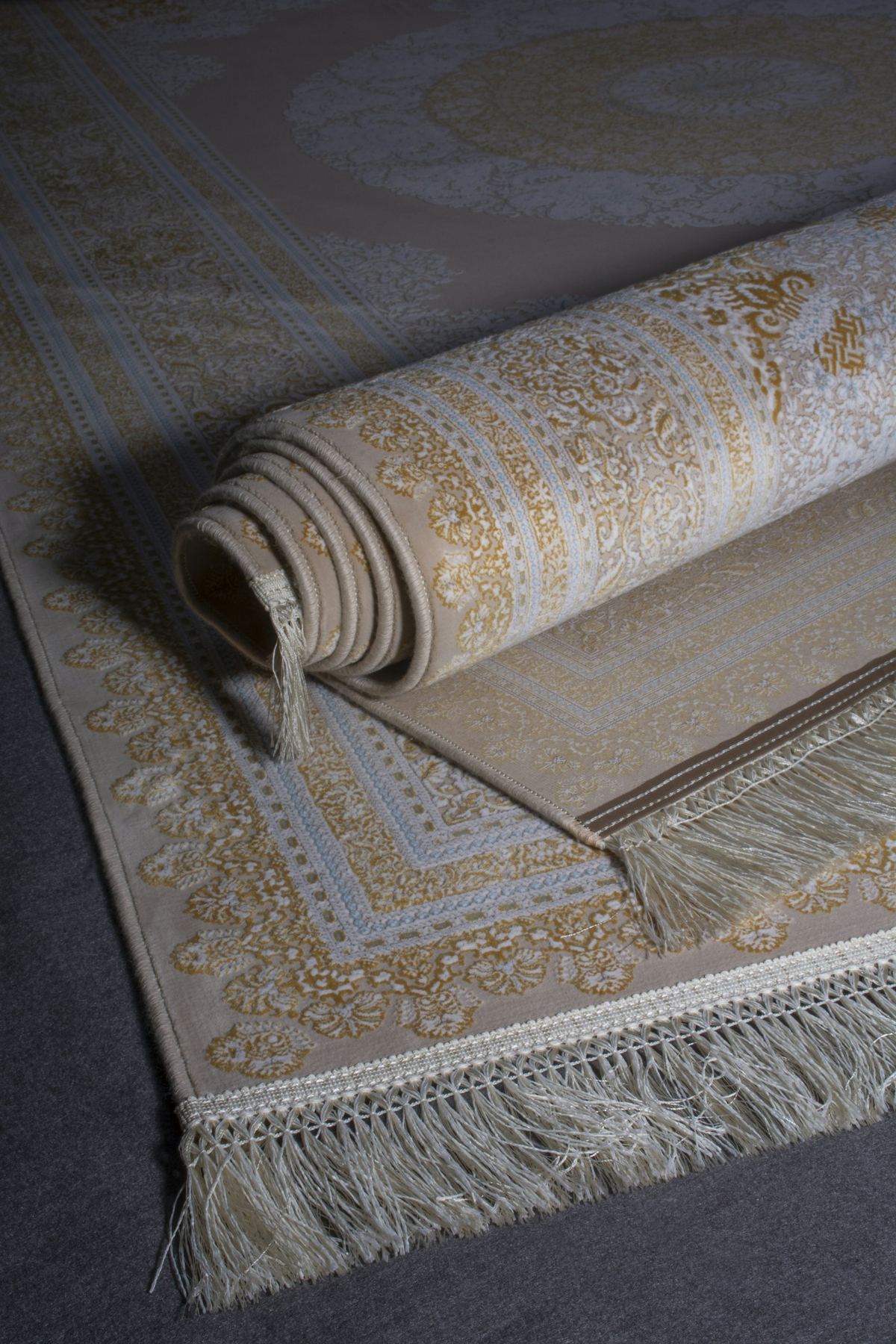
- Rugs are your friend. A large, dense rug with a good underlay makes a room feel warmer underfoot almost instantly. Wool is warm, hard-wearing and naturally a little flame-resistant.
- Fill gaps between boards with flexible filler or slim timber slivers, and seal the gap between skirting and floor with a suitable flexible sealant. Both are fiddly but satisfying.
- Do not block the air bricks on the outside walls. They ventilate the void under your floor and keep the timbers sound. Seal the room above, not the space below.
Chimneys, lofts and the ventilation rule
An unused open chimney can be a major source of heat loss. A removable chimney draught excluder, such as an inflatable balloon or a wool-filled stopper, can block it temporarily. If you ever plan to light a fire, you must remove it first, and never use one in a flue that serves a gas fire, a boiler or any other appliance. If in doubt, ask a qualified chimney sweep or heating engineer. If you love a real fire, our piece on the fireside hearth corner is all about doing it well.
A loft hatch is a hole in your ceiling into the coldest part of the house, so a strip of draught seal around the hatch and a piece of insulation on top of it is a worthwhile Saturday job.
Making the most of the heat you have
Once the gaps are dealt with, a few habits help you get the most out of every radiator:
- Pull sofas and beds a little away from radiators so warm air can circulate.
- Do not drape curtains over radiators; tuck them behind or shorten them to the sill.
- Bleed radiators at the start of the season if they are cold at the top.
- Close internal doors to keep heat in the rooms you are using.
- Use throws and a hot-water bottle before you reach for the thermostat.
- Check the Energy Saving Trust for independent advice on heating controls, insulation and any grants or schemes that might apply to you.
None of this will turn a draughty terrace into a modern eco home, and I will not pretend to know what it will save you, because every house and every household is different. What I can promise is warmer ankles, quieter windows and a sitting room you actually want to sit in. If you rent, our guide to deposit-friendly changes has more ideas that leave no trace.

The door curtain was a revelation. Our front door opens straight into the living room and we hung a thick old velvet curtain on a pole across it. The difference was obvious the first evening.
Velvet is perfect for it, heavy and properly cosy. Just make sure the pole leaves enough clearance for the door to open fully.