
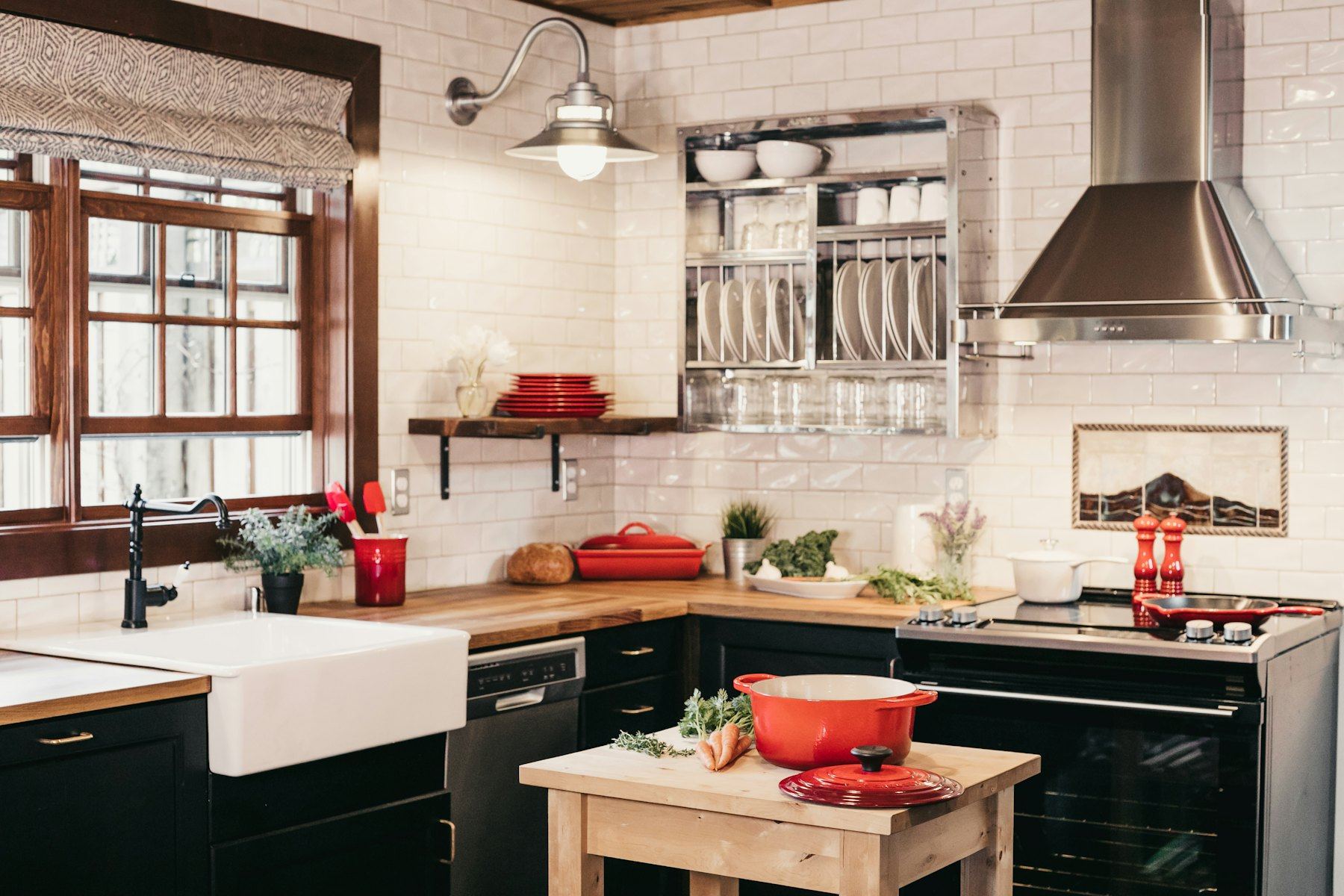
The first kitchen I ever owned was in the back addition of a Victorian terrace: a single run of cupboards, a window over the sink, and just enough room to open the oven if you stood in the doorway. Friends called it the corridor. I loved it, and I learned more about storage in those few square metres than in every larger kitchen since. Narrow rooms are not a problem to be solved so much as a puzzle with a satisfying answer, and the same thinking works in the long, skinny hallways that run through so many British homes.
Think vertically, then think again
In a small kitchen, the wall is your second worktop. Most of us stop our storage at the top of the wall cupboards and leave a dusty gap above, or we leave the space between worktop and cupboard almost bare apart from a toaster and a bottle of washing-up liquid.
- Take wall cupboards up to the ceiling, or add a shelf above them for things you use a few times a year: the roasting tin, the jam pan, the Christmas cake tin.
- Use a rail system along the splashback for utensils, a roll of kitchen paper and a few hooks for mugs. Everything in reach, nothing on the worktop.
- A magnetic knife strip frees up a whole drawer, and it is kinder to your knives than a jumbled drawer anyway.
- A traditional plate rack over or beside the sink is both drainer and storage. Plates dry where they live, and the worktop stays clear.
Open shelves or closed cupboards?
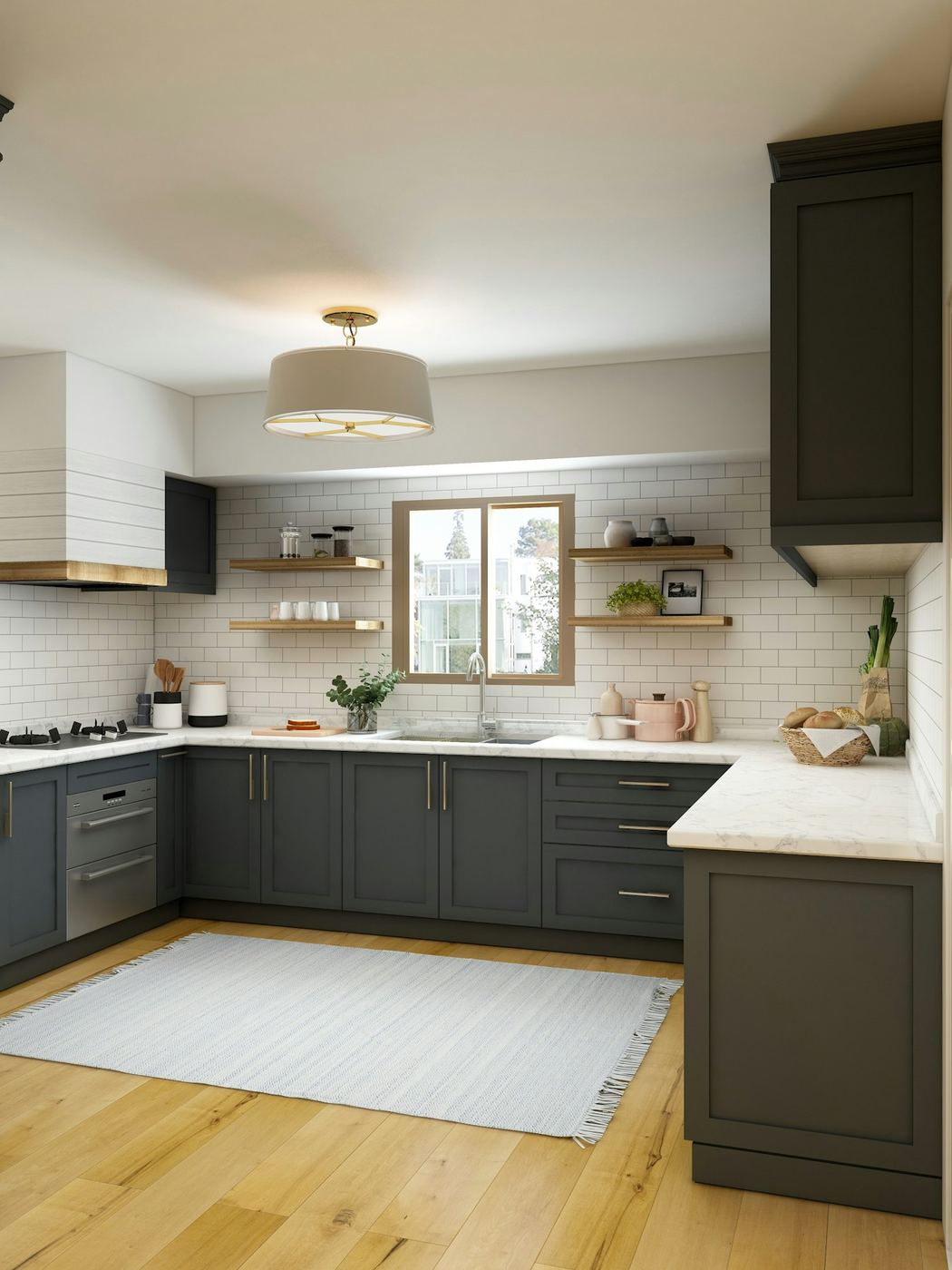
I am often asked which is better in a small kitchen, and the honest answer is both. Wall cupboards all the way along a narrow room can feel oppressive, as if the kitchen were leaning in on you. Replacing one run with open shelves lightens the whole space and gives you somewhere to put the things that are lovely to look at: stacked bowls, a jar of wooden spoons, a favourite teapot.
But open shelving only works if you are honest about what goes on it. Things you use every day stay clean because they are always being washed. Things you use once a year gather a greasy film, especially near the hob. Keep the open shelves for daily crockery and glasses, and the closed cupboards for packets, tins and the less photogenic realities of life. If you love the look of warm wood against painted units, our piece on wood, brass and ceramics explores how to mix them.
The hidden centimetres
Once you have used the walls, look for the spaces nobody notices.
- Inside cupboard doors: slim racks for lids, foil and cling film, or a few hooks for measuring spoons.
- The plinth: the kickboard beneath base units hides a shallow void. Plinth drawers are ideal for baking trays and chopping boards. Your kitchen fitter will know whether yours can take them.
- Corner cupboards: the black hole of every L-shaped kitchen. A carousel or pull-out mechanism helps, but even a couple of lidded boxes you can drag forward like drawers make a difference.
- The end of a unit: a narrow rail for tea towels, or a shallow rack for spices.
- A slim trolley on castors slots between the fridge and the wall and rolls out when you need it.
Small spaces do not need fewer things so much as a home for every thing.
The narrow hallway: first impressions in a metre
A classic terrace hallway is long, dim and about a metre wide once you account for the radiator. It has to cope with coats, bags, shoes, post, the bike, the buggy and the dog, while also being the first thing anyone sees.
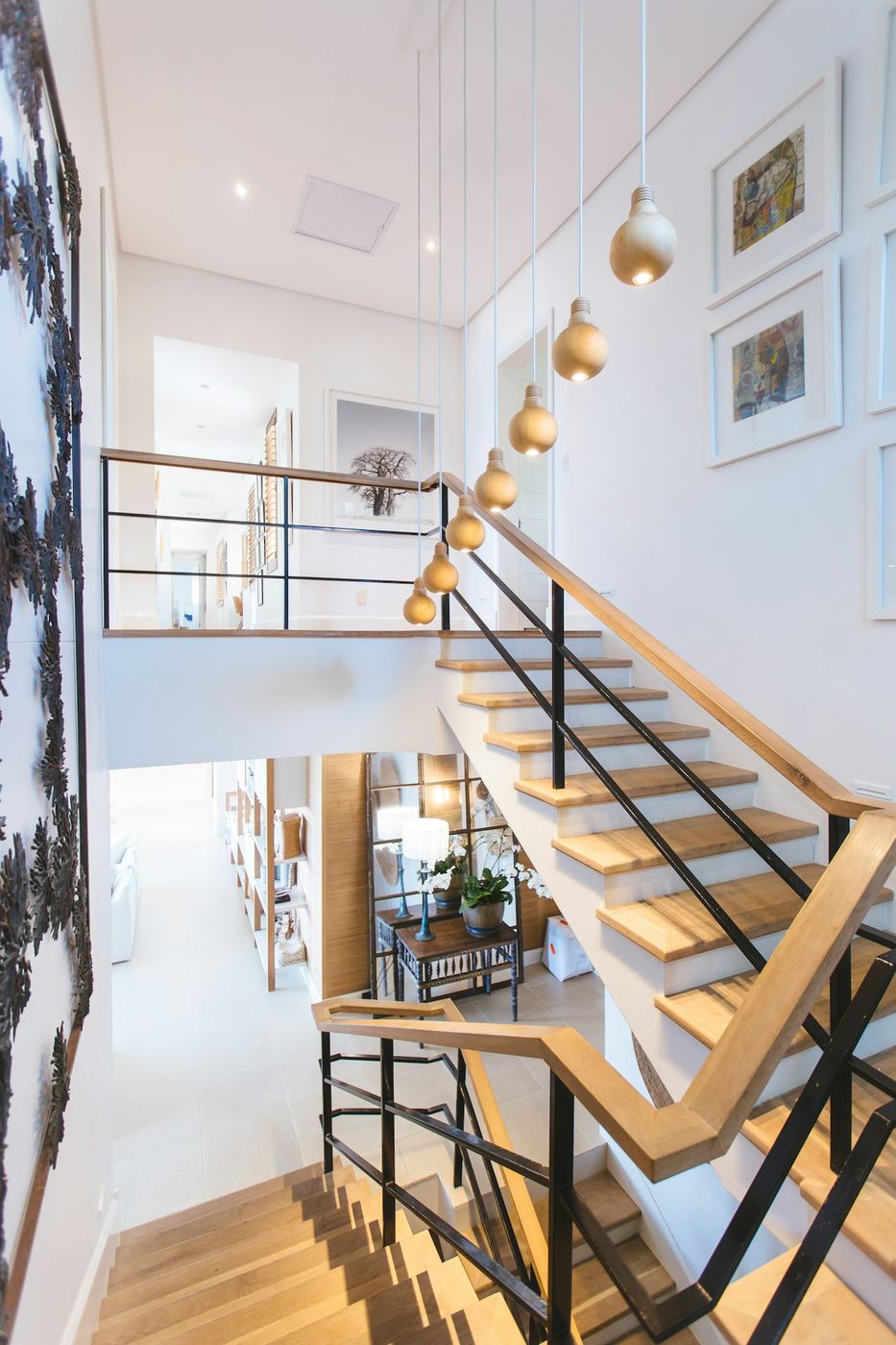
The rule I live by is everything off the floor. A row of sturdy pegs or a Shaker rail at a comfortable height will hold more coats than a freestanding stand, and takes no floor space at all. Give each person a hook or two and a rule that only the coats currently in use live there. The rest go upstairs until the season turns.
For shoes, a slim tip-out cabinet is a godsend; it holds a surprising number of pairs in a depth of not much more than a hand's width. Above it, a narrow shelf or a small wall-hung tray catches keys and post. A mirror makes a dim hallway feel brighter and lets you check for spinach in your teeth on the way out.
If your house still has its original features, such as encaustic tiles or a decorative arch, work around them rather than covering them up. Our piece on whether to keep or update a Victorian terrace is a good companion to this one.
Taming the under-stairs cupboard
Every British house seems to have one, and every one seems to contain a vacuum cleaner, an ironing board, three bags for life and a mysterious box nobody will claim. It is valuable space, but its awkward slope defeats most of us.
- Empty it completely. Really completely.
- Keep clear access to the gas or electricity meter and the consumer unit if they live there, so readings and emergencies are not an obstacle course.
- Put tall things, such as the vacuum and mop, at the tallest end, and stack boxes down the slope.
- Fit hooks on the inside of the door and the side walls for bags, the ironing board and extension leads.
- Add a battery push light or a plug-in light if there is no bulb in there; you cannot organise what you cannot see.
- Label boxes on the end that faces you, not the top.
Small kitchens and narrow halls ask you to be a little more thoughtful, and in return they give you a home where everything is close to hand. My old corridor kitchen produced some of the best Sunday lunches of my life, and I could reach the kettle without moving my feet.

The plinth drawers tip is brilliant. Our fitter put one under the sink run and every baking tray finally has a home instead of rattling about in the oven.
Wonderful. They are one of those changes you wonder how you lived without.
Not totally sold on open shelves near the hob. We tried it and found the cooking grease got everywhere, even on things we used daily. Ended up moving the shelf to the other wall.