
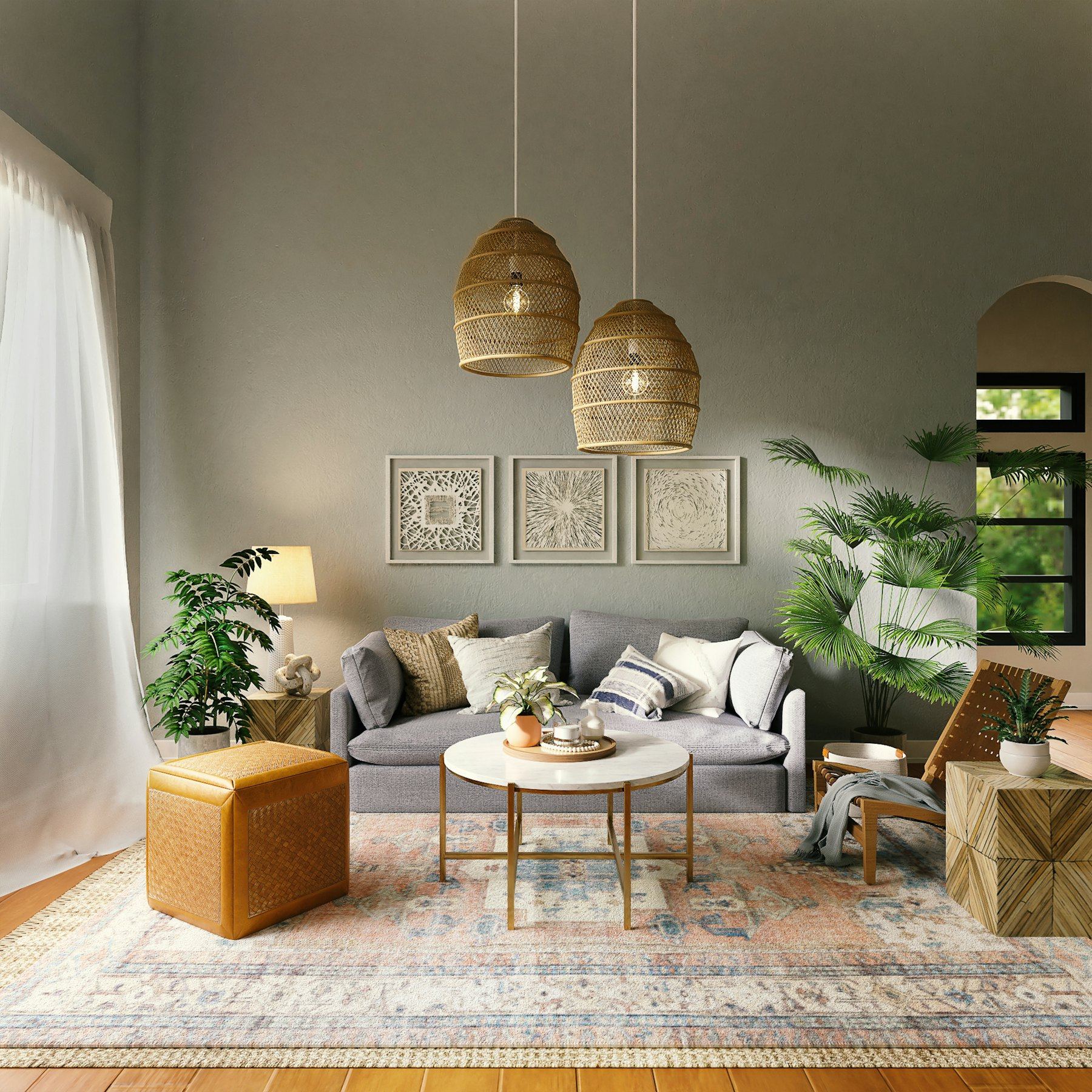
I live on the third floor of a converted Edwardian building, with a view of a bus depot and a rather handsome plane tree. There is not a beam, a flagstone or an inglenook in sight. And yet friends regularly tell me my flat feels like a cottage. It is not magic, and it is not expensive. Cottage style turns out to be far less about architecture than about materials, texture and a slightly relaxed attitude to perfection.
Two cottages, one feeling
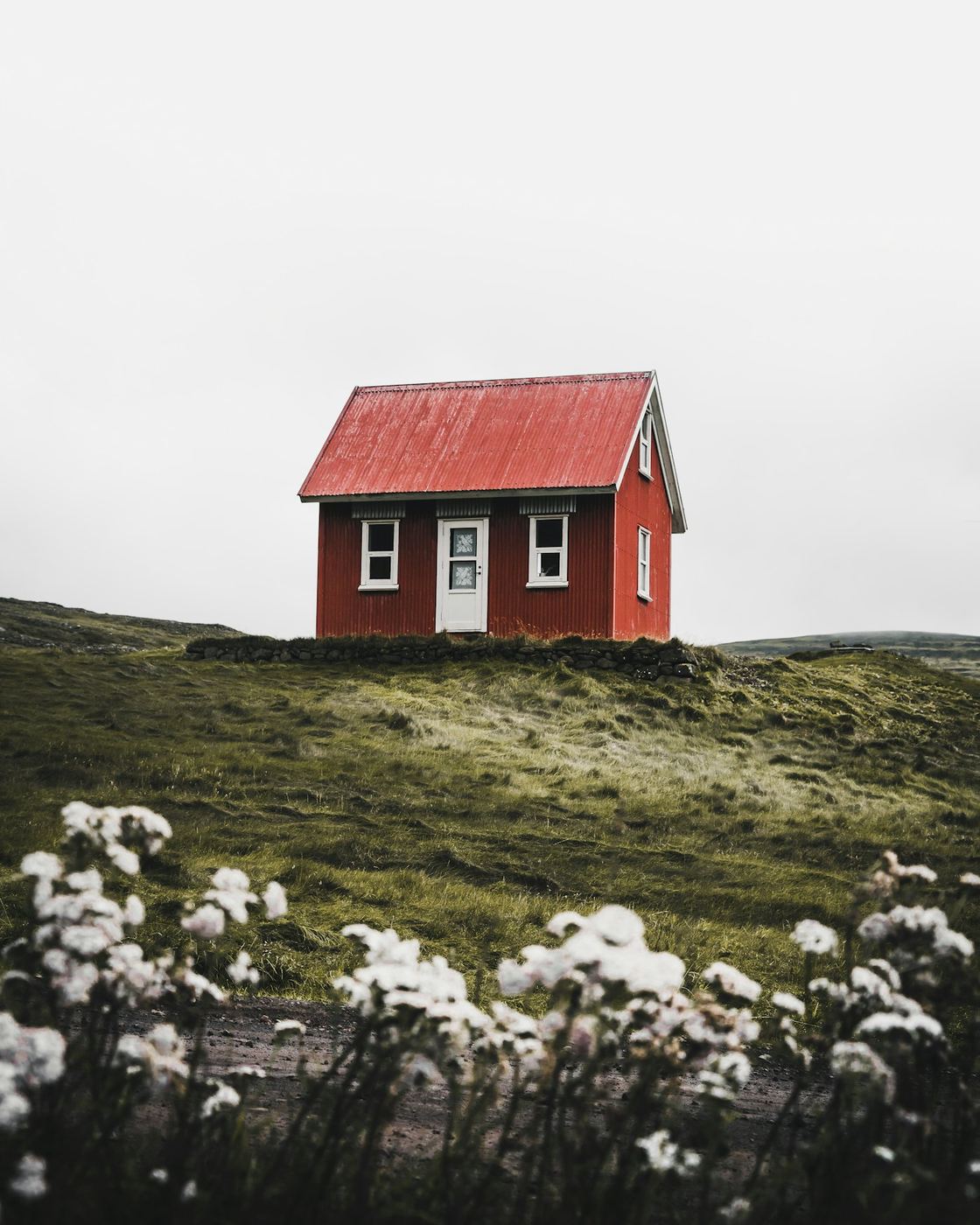
When people talk about cottage style in Britain, they usually mean one of two things. The Cotswold cottage is honey-coloured stone, mullioned windows, a fat armchair by the range, old oak and faded chintz. The Cornish cottage is whitewashed walls, a stable door, blue and white china, sea-glass greens and the smell of salt and wet wellies. One is warm and mellow, the other cool and breezy, but both share the same essentials: natural materials, things that have been used and loved, and rooms that are comfortable rather than showy.
In a city flat, you can pick one direction or blend the two. My own place leans Cotswold in the sitting room, with its ochres and mustards, and Cornish in the bathroom, where everything is white, blue and slightly nautical. Nobody has complained about the inconsistency yet.
Texture before everything
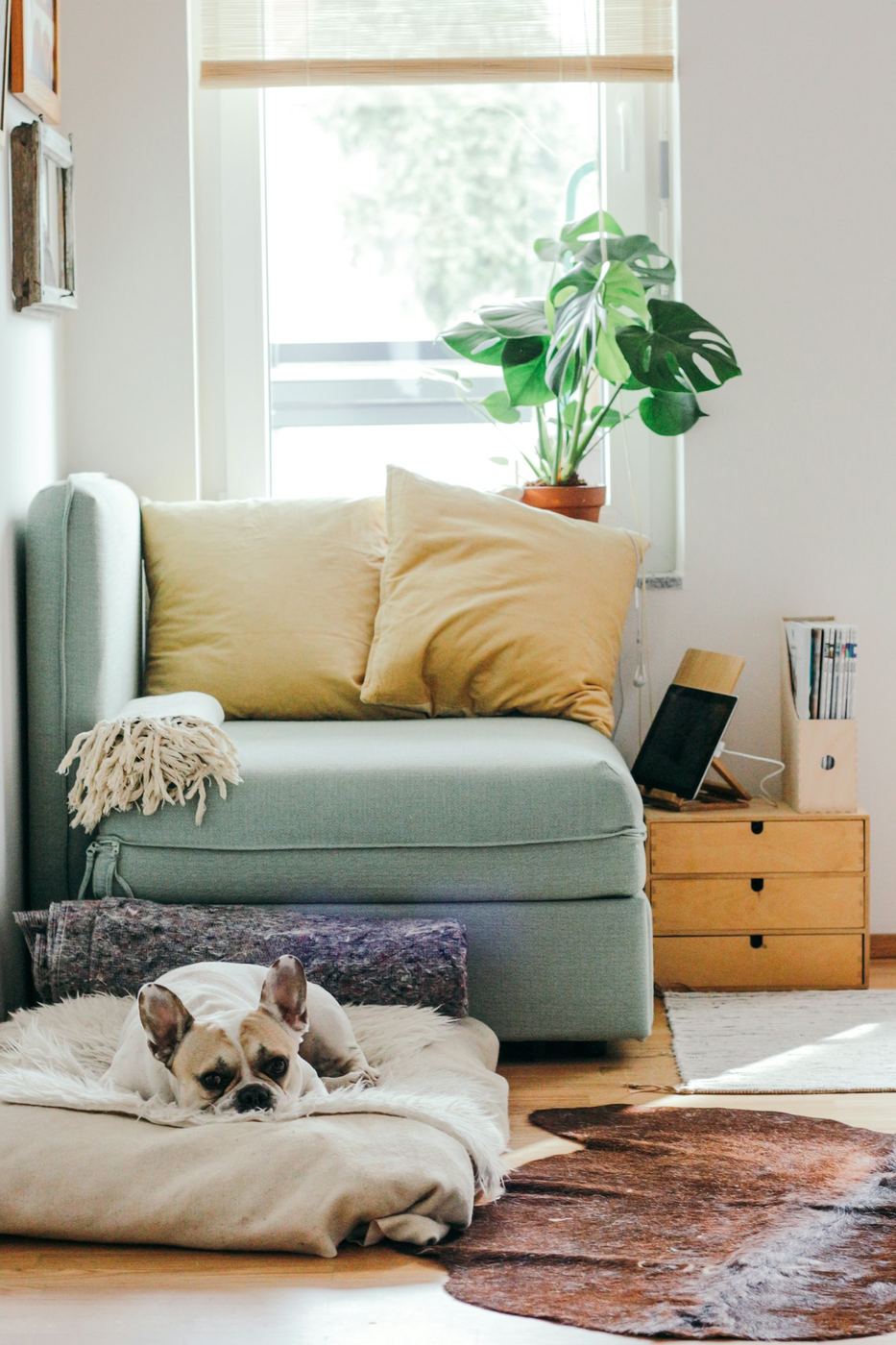
A new-build flat or a modern conversion tends to be smooth: plastered walls, laminate floors, flush doors. Cottages are the opposite. Everything has a grain, a weave or a bit of wobble. The quickest way to bridge the gap is to bring in as many natural textures as you can.
- Rattan and wicker. Woven pendant shades, like the pair in my sitting room, throw lovely patterned shadows in the evening and instantly soften a ceiling.
- Linen and wool. Linen curtains, wool throws, a chunky knitted cushion. Avoid anything too shiny.
- Wood with a history. A chest of drawers with rubbed corners, a scrubbed pine table, a stool from a car boot sale. New wood can look flat; old wood has depth.
- Stoneware and earthenware. Jugs, crocks and bowls with uneven glazes, used for flowers, utensils or nothing at all.
Cottage style is not a look you buy; it is a feeling you collect, one well-worn thing at a time.
Faking a little architecture
You cannot add beams to a concrete ceiling, and I would not recommend trying. But there are small, mostly reversible tricks that give a flat some of the structure of an old cottage.
Peg rails
A simple wooden peg rail, Shaker-style, running along one wall at about head height is the single most cottage-like thing you can fit. Hang a coat, a basket, a dried-flower bunch, a mug or two. It brings rhythm to a plain wall and storage to a small hall.
Panelling and plate shelves
Tongue-and-groove panelling to half height, painted in a soft colour, makes a bathroom or a hall feel instantly older. If you rent, a narrow plate shelf or a picture ledge gives a similar horizontal line. Our deposit-friendly ideas for renters has more options that will not upset the landlord.
Colour that feels lived in
Cottage colours are rarely bright and rarely pure white. Think of the shades that come from old limewash, faded fabric and sunlight on stone: warm greige, oatmeal, putty, sage, a muddy pink, a soft mustard. They look especially good in flats with north-facing windows, where a clean white can turn grey and gloomy by four in the afternoon.
For a Cornish lean, try chalky whites with accents of cornflower, navy and sea-glass green. For Cotswold, go warmer, with ochres, terracotta and deep greens. Our guide to the British paint palette covers plenty of shades in both families.
Plants, flowers and the garden indoors
A cottage is never far from its garden, and the garden tends to creep in through the door. In a flat, that means plenty of plants, but also cut and dried flowers. A jug of whatever is cheap at the market, a bunch of dried lavender hung from a peg, a few branches from the park in autumn (fallen ones only, please). Pots of herbs on the kitchen windowsill are both cottage-like and useful.
Do not worry too much about perfect styling. A slightly overgrown pothos trailing down a bookcase is closer to the spirit of the thing than a carefully curated row of identical succulents.
Collecting rather than shopping
The real secret of a cottage interior is time. Things arrive slowly, from a grandmother, a junk shop, a holiday, a Sunday car boot in a muddy field. If you try to buy the whole look in one weekend it will look like a catalogue. Instead, start with the bones and add things as you find them.
- One comfortable armchair with a cushion and a throw.
- A rug in wool or jute to warm up a hard floor.
- Something old and wooden: a chest, a stool, a bench.
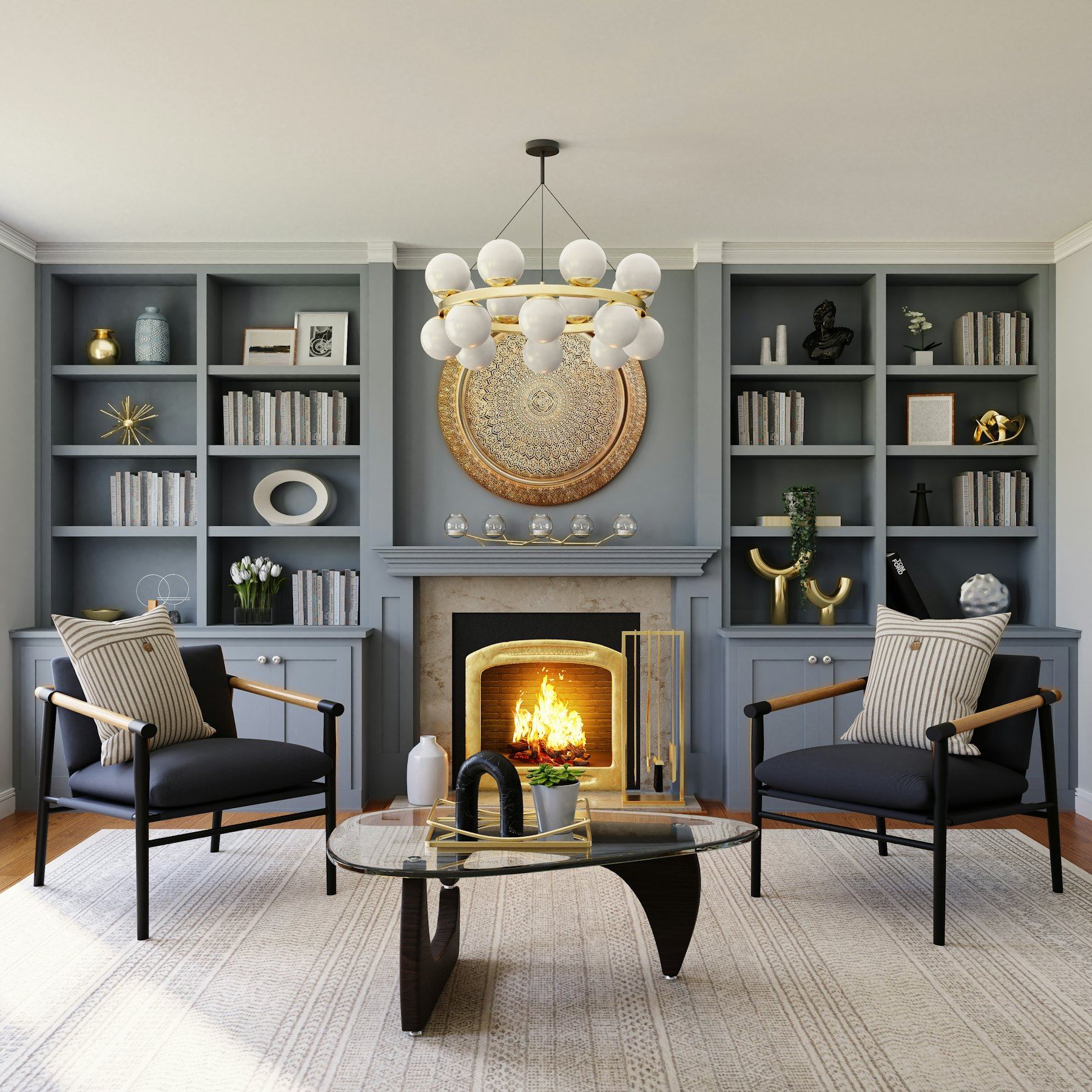
- Soft lighting from lamps or woven shades, never just the ceiling light.
- A jug of flowers or foliage, changed with the seasons.
For hunting grounds, our guide to charity shops, car boots and antiques is packed with tips, and if you find a battered chest of drawers that needs love, our furniture restoration guide will see you through. Give it a year and your flat will have the kind of character that no amount of new furniture can buy.
The peg rail tip is brilliant. I put one up in our tiny hallway last year and it holds everything from dog leads to tote bags. It also makes the hallway look intentional rather than chaotic.
Intentional rather than chaotic is the highest praise a hallway can receive. Glad it is earning its keep.
I love this but I do think there is a risk of a flat looking like a craft shop if you go too far with the jugs and baskets. A bit of restraint helps.
Do you have any advice for rattan pendants in a room with low ceilings? I like the look but worry they will hang too low over the sofa.
Try a flatter, wider shade rather than a deep dome, and shorten the flex so it sits close to the ceiling. Over a coffee table or in a corner where nobody walks underneath, you can let it hang lower without anyone bumping into it.
Cornish bathroom, Cotswold sitting room is exactly what we ended up with by accident. Nice to know it counts as a style.