

At seven o'clock on a Sunday morning, a car boot field is the most hopeful place in Britain. The tea urn is barely warm, the dew hasn't burnt off the grass, and somewhere between a box of tangled phone chargers and a stack of condensed books there is a stoneware jug with your name on it. I have been chasing that jug for the best part of twenty years, through charity shops, boot sales, flea markets and the occasional nerve-racking auction, and I still haven't reached the bottom of the box.
Second-hand shopping is the cheapest way to furnish a home with character, and the kindest to the planet. But each hunting ground has its own rhythm and its own etiquette. Here's how I approach them, and how to talk money without making anyone cross.
Charity shops: little and often
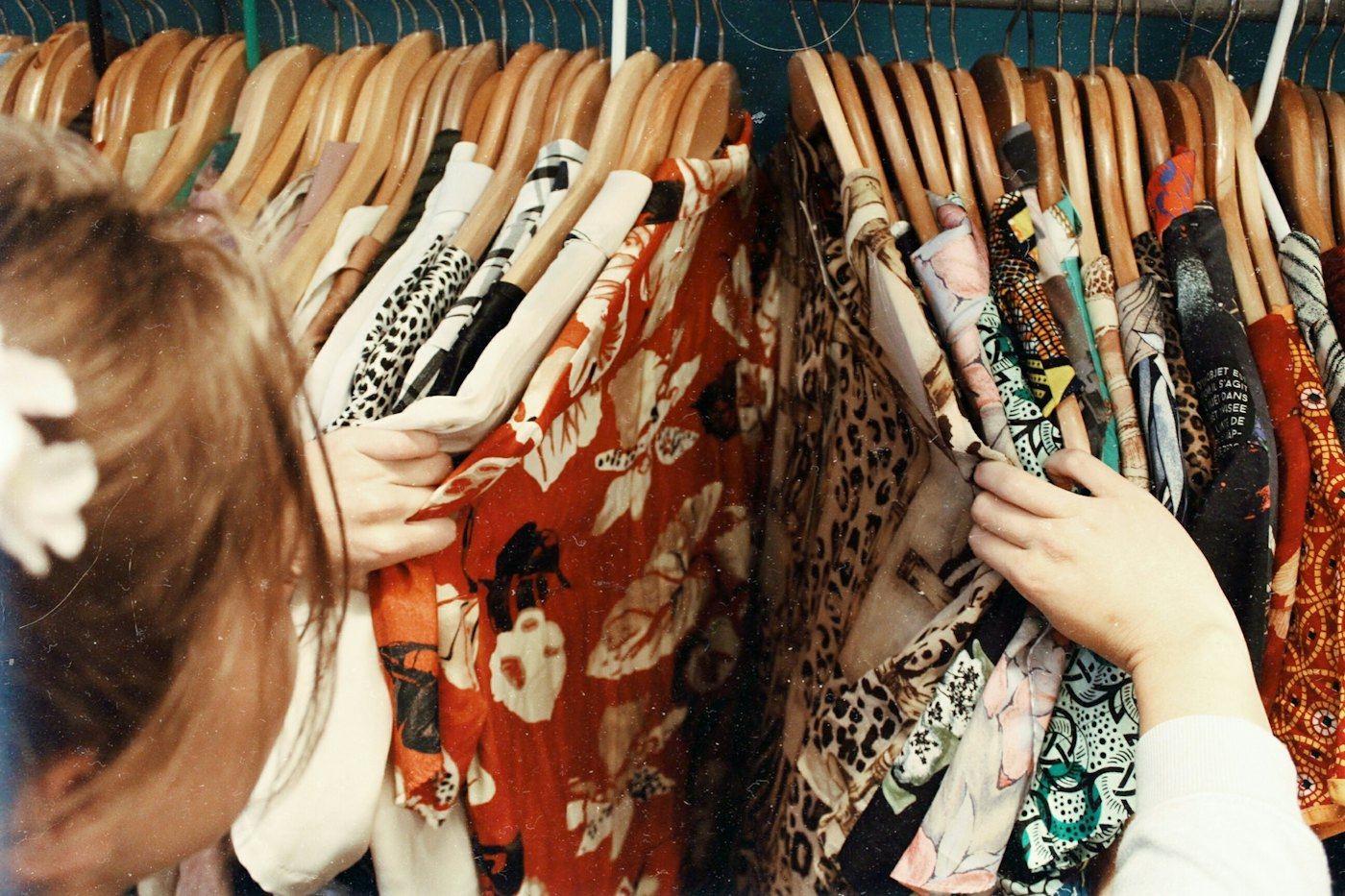
The golden rule of charity shops is frequency. Stock turns over constantly, donations arrive in unpredictable waves, and the best pieces rarely last the afternoon. Popping in for five minutes twice a week will beat a heroic three-hour crawl once a month.
Look beyond the obvious shelves. The homeware section is where everyone goes first, but I've found linen tablecloths in the bedding bin, a brass picture light in a basket of electricals, and a perfectly good set of Edwardian dining chairs in a charity furniture warehouse on an industrial estate I'd driven past for years. Many larger charities now run dedicated furniture and home stores, and they're well worth seeking out if you need something bigger than a teapot.
A few habits that have served me well:
- Vary your towns. Shops in market towns and villages often get very different donations from those in city centres. A day out is a perfectly good excuse to browse.
- Be nice to the volunteers. They know what's just come in, what's waiting to be priced in the back, and when the furniture van arrives.
- Turn things over. Pottery marks, cabinet makers' labels and hallmarks hide underneath. Even if the maker means nothing to you, the quality of the finish usually tells its own story.
Prices in charity shops are set to raise money for a cause, so I don't haggle over a mug or a cushion. On larger furniture it's reasonable to ask politely whether there's any flexibility, especially if a piece has been sitting there a while, but take no for an answer graciously.
Car boot sales: the early bird and the late bargain
Boot sales run roughly from spring to early autumn, with a few hardy all-year sites on hardstanding. The serious buyers, many of them dealers, arrive while sellers are still unpacking, torches in hand. If you want the pick of the furniture and ceramics, you need to be there with them. If you want the best prices, come back in the last hour, when nobody fancies loading a sideboard back into a hatchback.
Walk the whole field once, briskly, before you commit to anything, then go back for a slower second lap. Look under the tables and into the boots themselves; sellers often keep heavier or more interesting things out of the way until someone asks.
Antique markets, flea fairs and auctions
Antique and flea markets, whether in a market hall, a showground or a church car park, sit a step up in price but also in curation. Dealers have done the sifting for you, and many specialise, so it's the place to find a run of matching Victorian tiles or a proper oak gateleg table. Dealers also tend to know their stock, which means you can ask about age, repairs and provenance and usually get a straight answer.
Local auction houses are underused by home-makers, and far less intimidating than television makes them look. Go to the viewing day, open every drawer, sit in every chair, and set yourself a firm limit before the bidding starts. Remember the hammer price isn't the end of it: a buyer's premium, plus VAT on that premium, is added, and you'll need to arrange collection, often within a few days. Many sales are now online, which is convenient but makes the viewing even more important.
The best haggle is a conversation, not a contest. You both want the thing to go to a good home.
How to haggle without being awful
At boot sales and flea markets a little negotiation is expected, even enjoyed. At charity shops and on tiny items, it mostly isn't. Within that, my approach is simple:
- Show genuine interest first. Ask about the piece. Sellers are more generous with people who clearly like what they're buying.
- Ask, don't announce. "Is that your best price?" or "Would you take a bit less?" opens a door. Slapping down half the ticket price slams it.
- Bundle. Picking up three things from one stall and asking for a round figure for the lot works far more often than chipping away at each one.
- Point out faults kindly. A chip, a missing handle or a wobbly leg is a fair reason for a lower price, but mention it as an observation, not an accusation.
- Know your walk-away number. Then actually walk away. Occasionally you'll be called back. More often you'll find something else.
If the seller holds firm and you still love it, pay up and smile. The few pounds you might have saved won't matter in five years; the thing on your shelf will.
What to check before you carry it home
A bargain stops being a bargain if it's unsafe or unusable. Before money changes hands, run through this:
- Upholstered furniture: look for the permanent fire-safety label required under the UK furniture fire-safety regulations. Sofas, armchairs and headboards without one may not meet current standards, which is why reputable charity shops won't sell them. Pieces made before 1950 are exempt, but their original fillings won't be fire-resistant.
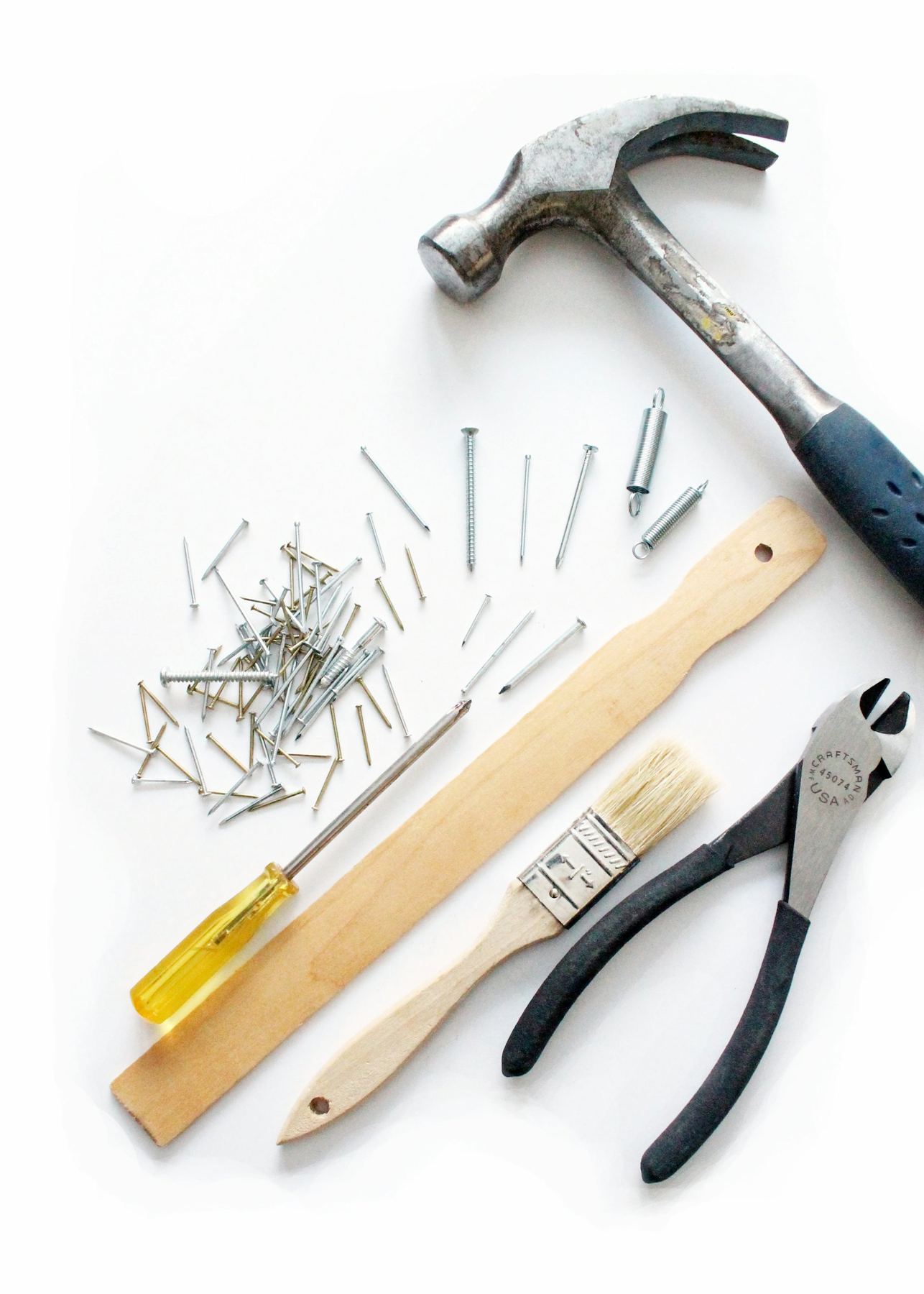
- Painted pieces: layers of old paint, especially on anything from before the 1970s, may contain lead. Fine for display, but test before you sand, and never dry-sand. There's more on this in our furniture restoration guide.
- Woodworm: small round holes with fresh, pale dust beneath suggest an active infestation. Old holes with dark edges are usually historic.
- Electricals: vintage lamps are lovely but should be checked, and rewired if necessary, by a qualified electrician before use.
- Smell: damp and smoke are very hard to remove from soft furnishings and drawer linings. Have a good sniff.
- Size: measure it, then measure your stairs. Every second-hand shopper has a story about a wardrobe that never made it past the first landing.
Living with what you find
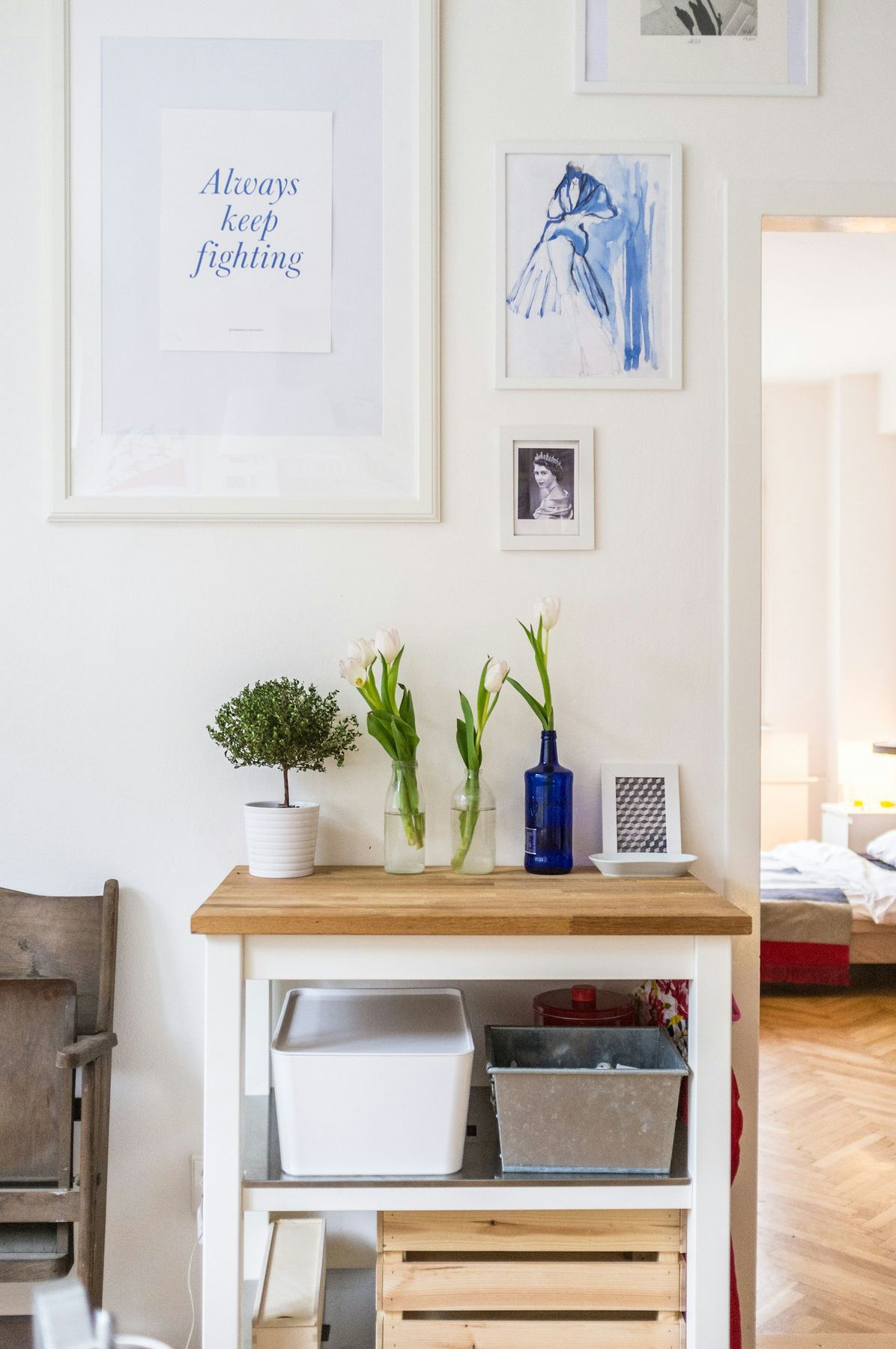
The joy of a home furnished second-hand is that it never looks bought in one go. A Victorian washstand beside a 1970s lamp and a car boot rug simply looks like you. If you're wondering how to pull disparate finds together, our pieces on mixing wood, brass and ceramics and building a gallery wall from odd frames are good places to start. And next Sunday, set the alarm early. That jug is still out there.
Completely agree about being nice to the volunteers. The lady in our local hospice shop now puts aside anything old and stoneware for me, which is either very kind or a sign I have a problem.
Very kind, and definitely not a problem. A friendly word at the till is worth more than any number of early mornings.
Small disagreement on timing: at our local boot sale the early slot is basically a scrum, and I've had far better luck strolling in around ten once the dealers have gone. Worth trying both.
Is it rude to ask a stallholder where they got something? I never know whether it's a fair question or prying.
Not rude at all, as long as it's asked out of interest. Most sellers enjoy telling the story, and it often tells you something useful about age and condition. If they're vague, take that as part of the answer.
The point about fire labels is so useful. I nearly bought a gorgeous armchair at a flea market last year that had no label at all, and had no idea what that meant until a friend explained.